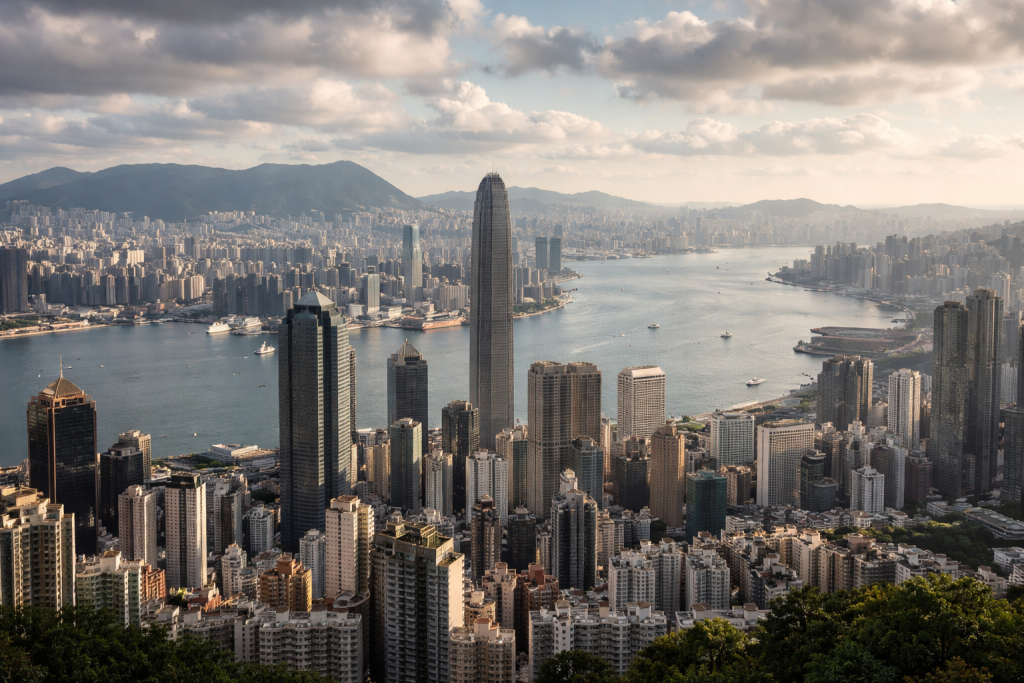
The Hang Seng Index retreated by over 10% in the first half of the year as some of the biggest Chinese technology companies lagged behind their global peers like the Nikkei 225 and Kospi, which jumped by 34% and 85%, respectively.
Top Hang Seng Index stocks have retreated this year
Hong Kong’s Hang Seng Index has dived this year because its biggest constituent companies have underperformed the market. Trip.com, China’s biggest player in the travel industry, has slumped by 42% this year amid concerns about its business.
It recently released a weak earnings report, which came a few months after Beijing launched an anti-competitive investigation. It then launched new compliance measures, which analysts believe will put pressure on its earnings.
Xiaomi stock plunged by 40% this year as its business unravelled amid the rising chip and memory prices. Its most recent results showed that its revenue slumped by 10% in the first quarter, while its profit plunged by 56%.
The memory crisis seems to be escalating this year, with Apple warning that it will hike prices of its smartphones and MacBooks.
BYD, another top large Hang Seng company, dropped by 34% this year after China scaled back its electric vehicle (EV) subsidies. Competition in the country has risen sharply in recent months, with most of it coming from companies such as Nio, Li Auto, and Xiaomi.
Alibaba Group stock has slipped as the company faces substantial challenges in its AI and retail industry. Its AI costs have jumped, which helped to drag its profitability substantially. Its e-commerce business experienced a substantial slowdown amid weak spending in China.
The US-Iran war also affected some large companies in the Hang Seng Index. For example, Laopu Gold stock has retreated by 38% this year as gold prices have dived. Aluminium Corporation has dropped as aluminium prices moved downwards.
Lenovo Group has led gains in the Hang Seng
Meanwhile, Lenovo Group stock has emerged as the best performer in the Hang Seng Index, jumping 127% this year. This rally mirrored that of its top competitors like Dell and HP as demand for servers soared.
Its recent earnings showed that its revenue jumped to over $21.58 billion in the fourth quarter from $16.9 billion in the same period a year earlier. Its annual revenue jumped by 20% to $83 billion, while its net income soared by 101% to $559 million.
The other top gainers in the Hang Seng Index are companies like WuXi AppTec, Techtronic Industries, CK Hutchison, and HSBC Holdings.
On the other hand, top Asian indices like Topix, Nikkei 225, and Kospi have jumped because of their presence in the memory industry. Japan’s indices have been driven by Kioxia, Softbank, and other companies in the memory sector. The same has happened in South Korea, where Samsung and SK Hynix were the biggest drivers of the Kospi Index.
Hang Seng Index technical analysis
HSI Index chart | Source: TradingView
The daily chart shows that the Hang Seng Index has plunged in the past few months. It moved from a high of 28,058 in January to a low of 22,516. It formed a death cross pattern, a common bearish sign in technical analysis. This pattern is normally characterized by a crossover of the 50-day and 200-day moving averages.
The stock remains below the Ichimoku cloud indicator. It also remains below the supertrend, a sign that bears remain in control. Therefore, the index will likely continue falling in the near term, with the next key target to watch being at 22,537.
The post Hang Seng Index slumped in H1 as Nikkei 225, Kospi soared: here’s why appeared first on Invezz